«Фактура 10.05»—Коло Невимовного
Faktura 10.05—The Stammering Circle
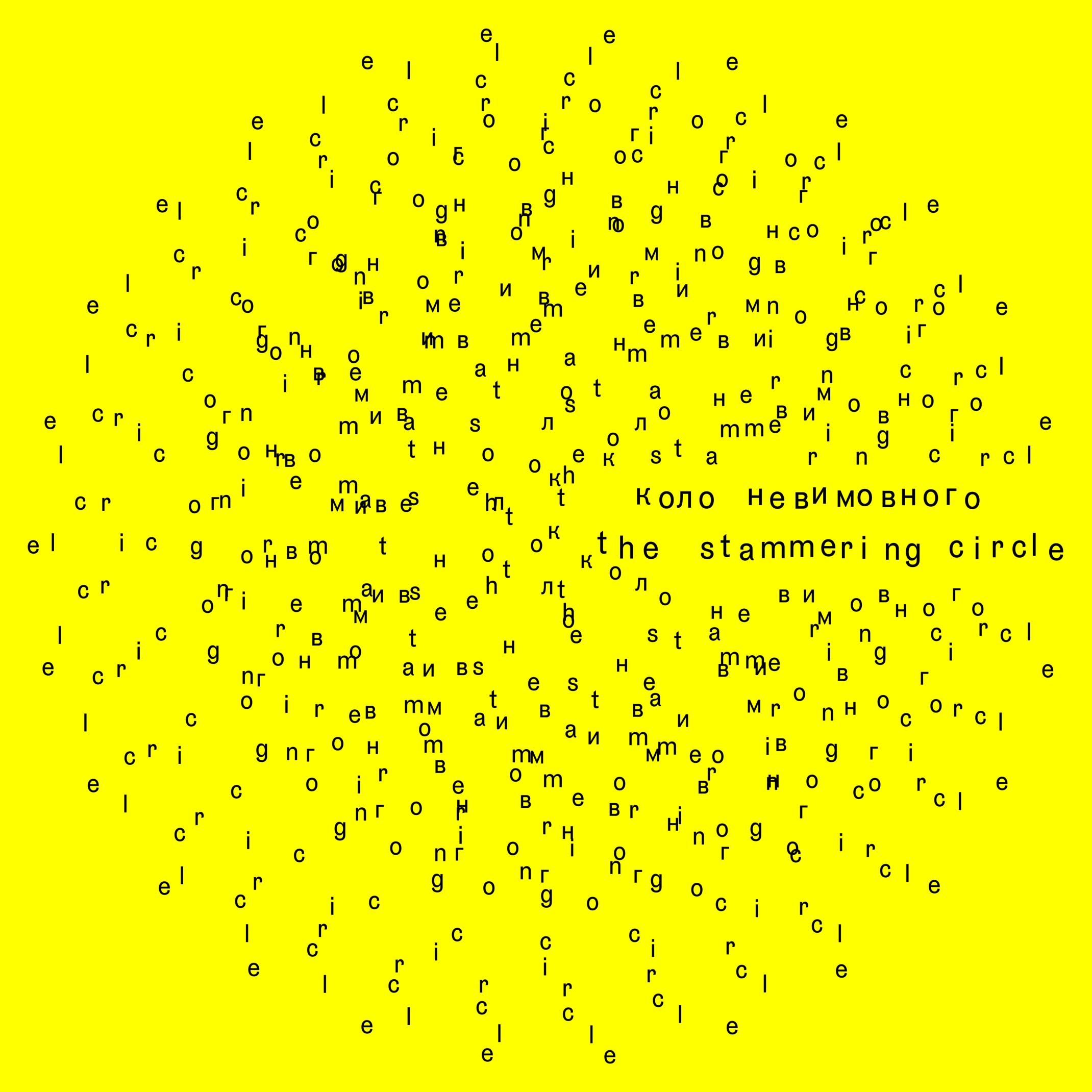
Коло Невимовного
- Кураторка
- Марта Кузьма
- Розташування
- Артцентр Фабрика Повидла, Дім42, Львівська Політехніка, Машинна Зала
- Дати
- 21 червня – 2 листопада, 2025
«Коло невимовного» — виставка, яка звертається до розриву як дисфлюентності, «затинання», що відкриває простір для паузи, важливої для показу мистецтва у воєнному контексті. Війна — річ гучна й шумна; вона масштабна, агресивна і невпинно руйнівна. Війна розриває і руйнує наше розуміння причин і наслідків, силоміць захоплює щоденність і підважує засади нашого існування як такі.
Що є мистецтвом у часи розриву? Чи можливо — і як — знайти прихисток від постійної непередбачуваності війни й створити простір для творчої рефлексії? Які форми й вирази — поза скорботою, утратою і реквіємом — створюють, ухопившись за нестабільність, сприятливе середовище для творчості, що звучить на повний голос і знаходить відгук? У пошуках відповіді на ці запитання «Коло невимовного» надихається творчістю Пауля Целана.
Целан (псевдонім Пауля Анчеля) народився 1920 року у світській єврейській родині в Чернівцях. Станом на 1941 рік, коли регіон окупували німці, він вивчав медицину й писав вірші. Після окупації поет потрапив до концтабору, де був змушений працювати до звільнення табору в 1944 році. Наприкінці війни Целан дізнався, що під час його перебування у таборі примусової праці есесівці депортували й убили його батьків, після чого покинув країну й емігрував до Парижа, де написав збірку віршів «Mohn und Gedachtnis» («Мак і пам’ять», 1952). Ця поетична збірка, куди увійшов написаний 1945 року вірш «Todesfugue» («Фуга смерті»), стала канонічним літературним твором на тему Голокосту. Вірш засновано на ідеї свідчення як справи всього життя, а не просто зустрічі з минулим, яке підлягає подоланню: «ніхто не є свідком для свідка» . Вражає й Целанове рішення писати німецькою мовою, свідчення відданості письменника рідній — материнській — мові в умовах тиранії тих, хто буквально вбив його матір.
Після війни Целан виступав за спробу «радикального сумніву у мистецтві» («eine radikale In-Frage-Stellung der Kunst), тобто дослідження того, чим є мистецтво, через його критичний розгляд . Інакше кажучи, мистецтво треба було піддати глибокому дослідженню, щоб поставити під питання інші речі — і подивитися в очі минулому.
У промові «Меридіан», виголошеній з нагоди отримання премії Георга Бюхнера у 1960 році, Целан поставив питання про те, як ставитися до мистецтва після війни. Він писав, що мистецтво є вічною проблемою, а також пропонував скористатися для навігування в ньому таким метафоричним інструментом, як буковинський «меридіан», який, за словами Целанового перекладача П’єра Жоріса, «перетворює основну характеристику буковинської культури в структурний принцип. Йдеться про легендарну сприйнятливість Буковини до гетерогенних етнічних традицій, якими Целан насичує багату інтертекстуальність усієї своєї творчості».
«Меридіан» слугував маніфестом — закликом до мистецтва, яке зосереджувалося на пошуках поетичного простору й мови, які є чимось нематеріальним, «але земним, [це] щось колоподібне, що через обидва полюси повертається до себе», знаходячи зрештою «меридіан». Виставка надихається затинанням, яке приносить із собою така позаземна мандрівка; лункий перебіг ритмів і повторень прокладає новий, незвіданий досі шлях. Однак Целанів меридіан не пролягав у фізичній площині; він радше символізував розрив і бажання призупинення, прийняття екзистенційного стану втрати місця — ніби при експатріації чи вигнанні. У «Меридіані» Целан вводить поняття «atemwende» («зламу дихання») на позначення того, чим потенційно може бути мистецтво — таким собі переведенням подиху. Целан писав:
«Поезія: це може означати переведення подиху. Хто-зна, можливо, поезія верстає… шлях — в тому числі й шлях мистецтва — заради такого переведення подиху?..
Можливо, вірш є самим собою якраз через це… і може, таким без-мистецьким, вільно-мистецьким способом, йти іншими шляхами, себто знову і знову йти також шляхами мистецтва?
Можливо».
За неймовірним збігом, «Теорія естетики» Теодора Адорно, опублікована 1970 року, після смерті автора, починається реченням: «Нині вже стало очевидним: ніщо, пов'язане з мистецтвом, не є самоочевидністю — ні його внутрішнє життя, ні його відносини з навколишнім світом, ні навіть його право на існування».
Адорно ніби продовжує поетичні роздуми Целана про страждання, що тривають після війни, і про повоєнну доцільність естетичної форми та естетичної репрезентації. Целан наголошував на паузі, на тому, що мистецтво мусить без обмежень і перешкод блукати «без-мистецьким, вільно-мистецьким способом», уможливлюючи альтернативні траєкторії життєвого досвіду. Намагаючись визначити, як осмислювати мистецтво після знищення і наруги, Целан адаптував власний підхід до форми, змісту, текстури й звуку, щоб уявити повоєнний твір, співзвучний темряві, яку ми всі визнаємо.
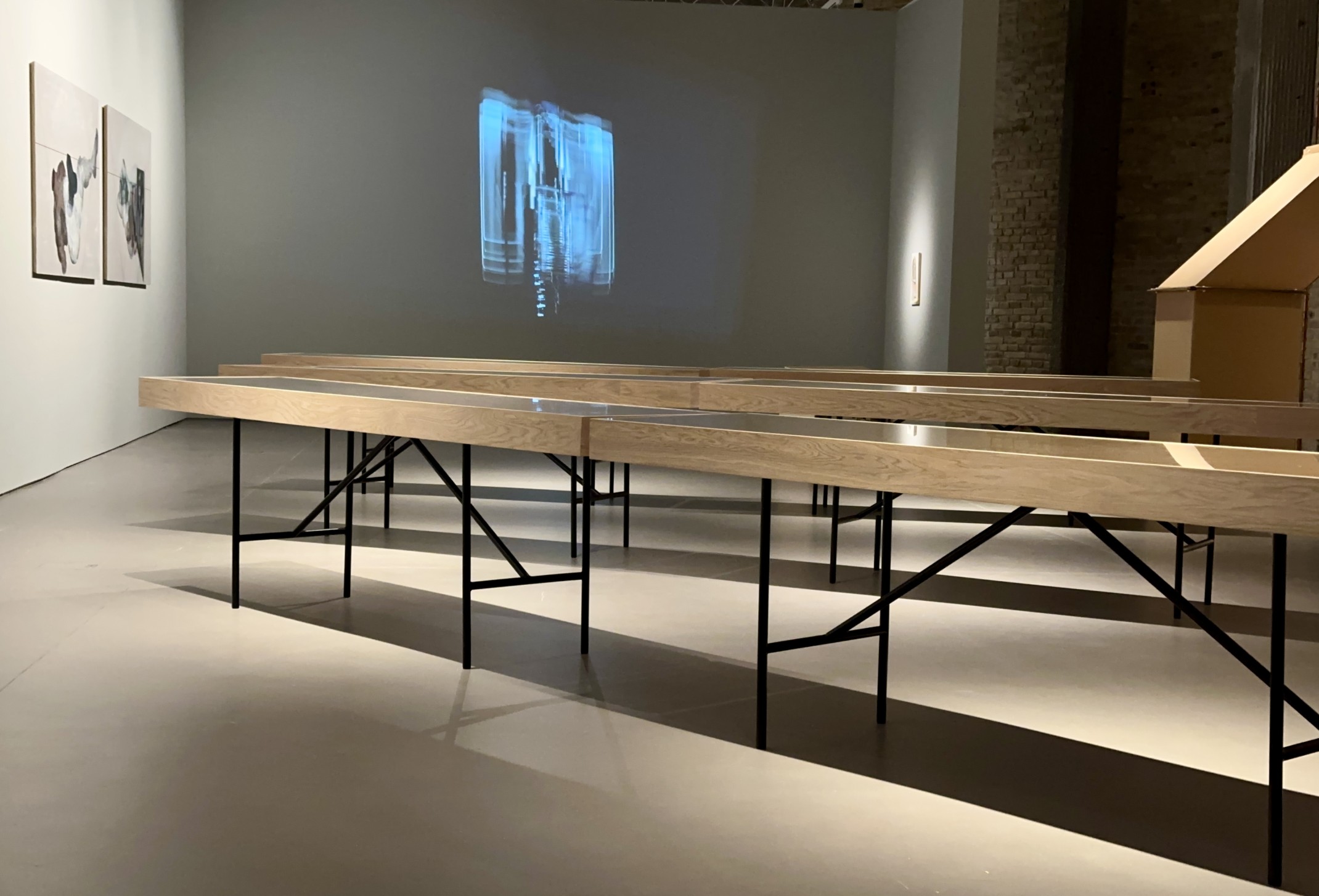
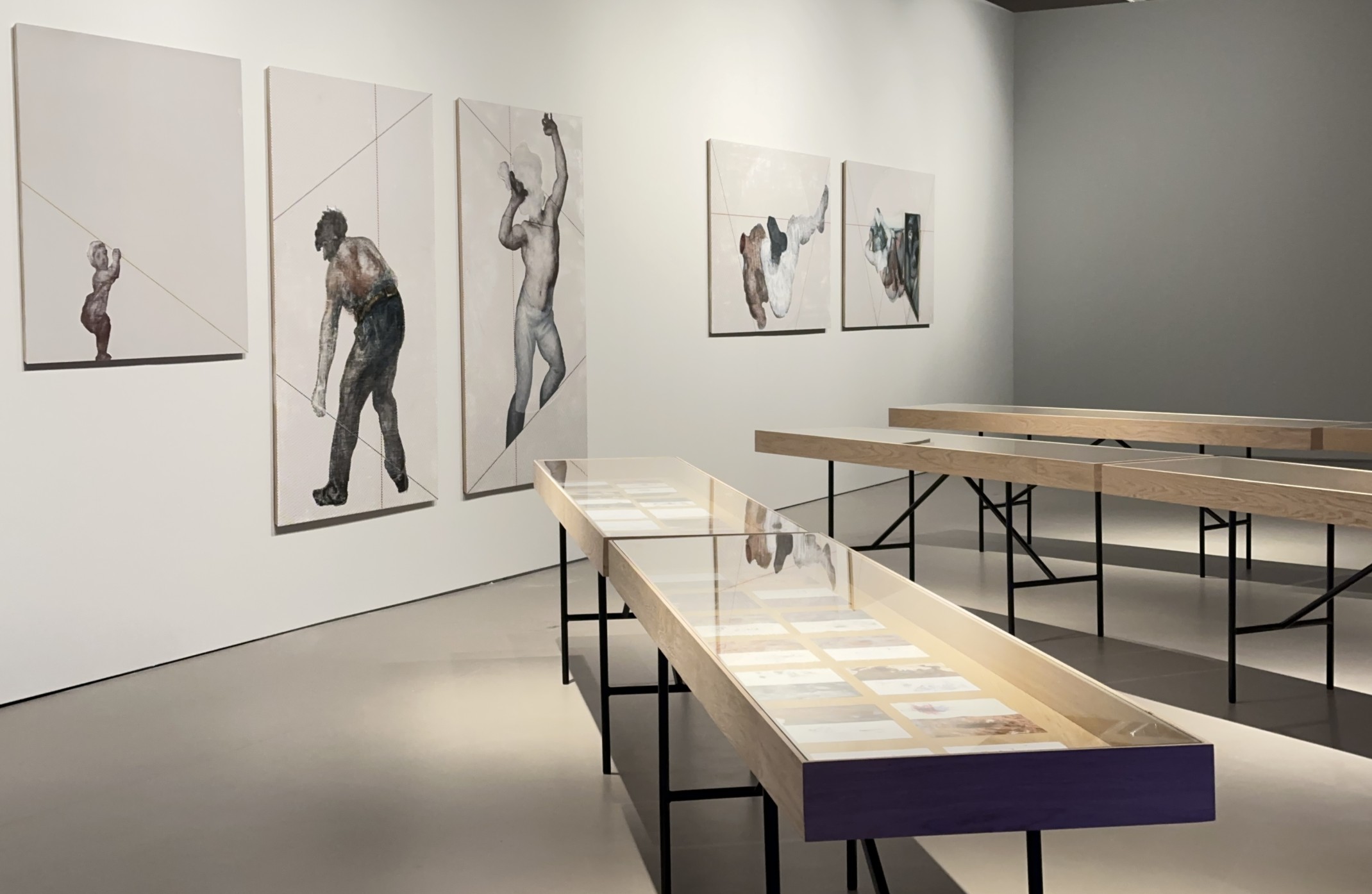
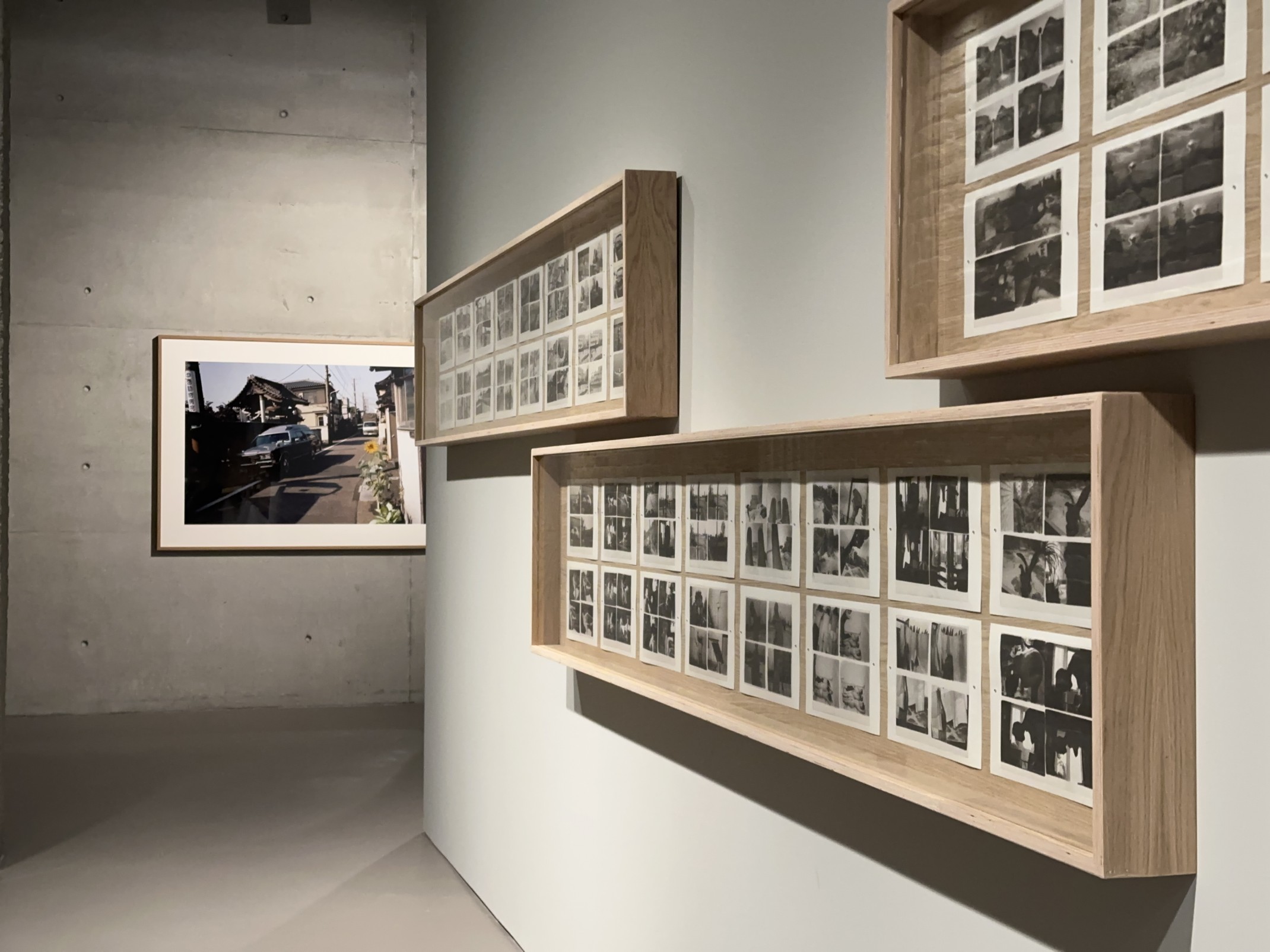
«Коло невимовного» охоплює візуальне, аудіальне, перформативне й діалогічне. Проєкт поєднує свідчення, історичні матеріали, архівні документи й безліч дискусій, які окреслюють досвіди життя серед війни та їхнє втілення у виробництві мистецтва. Виставка підхоплює Целанову пропозицію щодо сузір'їв «волокнистих сонець», «fadensonnen», як способу виміряти світ по-новому через видовжені лінії світла, що струмують до безлічі центрів. Посеред цього «плавучого сонця» природне розглядається як політичне, а політичне як природне; ландшафт не прагне бути утопічним чи дистопічним, а натомість, щоб пролити світло, розсіюється в нову візуальну мову з новими просторовими й часовими відносинами.
-Марта Кузьма
Кураторка
Художня керівниця та головна кураторка «Фактури 10»
1/ Paul Celan, “Ashglory,” in Breathturn into Timestead: The Collected Later Poetry, trans. Pierre Joris (Farrar, Straus, and Giroux, 2014).
2/ Целан Пауль. Меридіан : промова з нагоди вручення премії Георга Бюхнера, Дармштадт, 22-ro жовтня 1960 р. / Пауль Целан // Дух і Літера. – 1999. – № 5–6. – С.161.
3/ Там само, с. 163.
4/ Теодор Адорно. Теорія естетики. Пер. з нім. Петро Таращук. - К., Видавництво Соломії Павличко "Основи", 2002. - 518 с. - С. 9.
«Коло невимовного» є проєктом «Фактури 10», головною кураторкою і художньою директоркою якої виступає Марта Кузьма. Основні локації виставки «Коло невимовного» — Jam Factory Art Center, Дім42 та Машинна зала Львівської політехніки.
The Stammering Circle
- Curated by
- Marta Kuzma
- Locations
- Jam Factory Art Center, Dim42, Lviv Polytechnic National University
Lviv, Ukraine - Dates
- June 21 – November 2, 2025
The Stammering Circle is an exhibition that addresses disruption as dysfluency—a “stammering” that makes room for the pause essential to the exhibition of art in the context of war. A noisy business, war is voluminous, invasive, and serially destructive. It ruptures the suspends our understanding of cause and effect, violently occupies the everyday, and challenges the basic tenets of existence.
What constitutes art in times of conflict? How is it possible to find refuge from war’s perpetual state of contingency to make room for creative reflection? What are the forms and expressions—beyond mourning, loss, and requiem—that seize on instability to make a generative space to create resonantly? The Stammering Circle draws inspiration from the writings of Paul Celan to respond to these questions.
Celan, born Paul Antschul, in 1920, into a secular Jewish family in Czernowitz, had been studying medicine and writing poetry when, in 1941, the Germans occupied the region and he was forced to work in a labor camp until liberation in 1944. Having learned at the war’s end of his parents’ deportation and murder by the SS during his internment, he left the country and emigrated to Paris where he wrote Mohn and Gedachtnis (1952)—a volume of poetry that featured “Todesfugue” (Death Fugue), originally written in 1945, and became a paradigmatic piece of Holocaust literature. The poem centered around bearing witness as a lifelong matter and not merely an encounter with the past to be overcome—“no one bears witness for the witness.”1 Celan’s decision to write in German was also striking; a testament to the writer’s avowed devotion to his mother tongue under the tyrrany of the murderers of, literally, his mother.
In the aftermath of the war, Celan argued for “eine radikale In-Frage-Stellung der Kunst” (the radical calling-into-question of art) as a probe into what art is by critically challenging it.2 That is, art had to be subject to profound interrogation in order to call other things into question—and come to terms with—the past.
“The Meridian” was the speech Celan delivered on the occasion of receiving the Georg Buchner Prize in 1960 in which he posed the question of how to address art after the war. Celan wrote, “art is an eternal problem,” and he proposed, as the metaphorical tool to help steer through it, the Bukovinian “meridian,” which according to the poet’s translator, Pierre Joris, “transforms the main characteristic of Bukovina’s culture into a structural principle and it’s legendary Bukovinian receptivity to heterogenous ethnic traditions which Celan then infused the rich intertextuality.”
“The Meridian” served as Celan’s manifesto for art that revolved around the search for a poetic space and language that is immaterial “yet terrestrial, as something circular that returns to itself across both poles while ultimately finding … a meridian.” The exhibition borrows from the stammering that emanates from this extraterrestrial journey; the resounding passage of rhythms and repetitions charting a route previously untraveled. Celan’s meridian, however, did not chart a physical territory, rather it represented the rupture and the will to be suspended, to welcome the existential state of placelessness, as if one had been expatriated or exiled.
In “The Meridian,” Celan introduces Atemwende,” or the “breathturn,” to propose a way to describe what, perhaps, art could be, as if a turning of the breath. He writes:
Poetry: that can mean an Atemwende, a breathturn. Who knows, perhaps poetry travels this route —also the route of art—for the sake of such a breathturn?....
Perhaps the poem is itself because of this…and can now, in this art-less, art-free manner, walk its other routes thus also the routes of art—time and again?
Perhaps.3
It is uncanny that Theodor Adorno’s posthumous Aesthetic Theory, published in 1970, began with the sentence: “It is self-evident that nothing concerning art is self-evident anymore, not its inner life, not its relation to the world, not even its right to exist.” 4
It is as if Adorno continued Celan’s poetic reflections on suffering in the aftermath of war and with reference to the feasibility of the aesthetic form and aesthetic representation after the war. Celan emphasized the pause: art’s need to roam unbound and unrestricted in an “art-less, art-free manner,” enabling alternative routes of lived experience. Wrestling to find a way to position art following destruction and desecration, Celan adapted his own approach to form, content, texture, and sound to conceive a postwar composition interconnected with a darkness acknowledged by all.
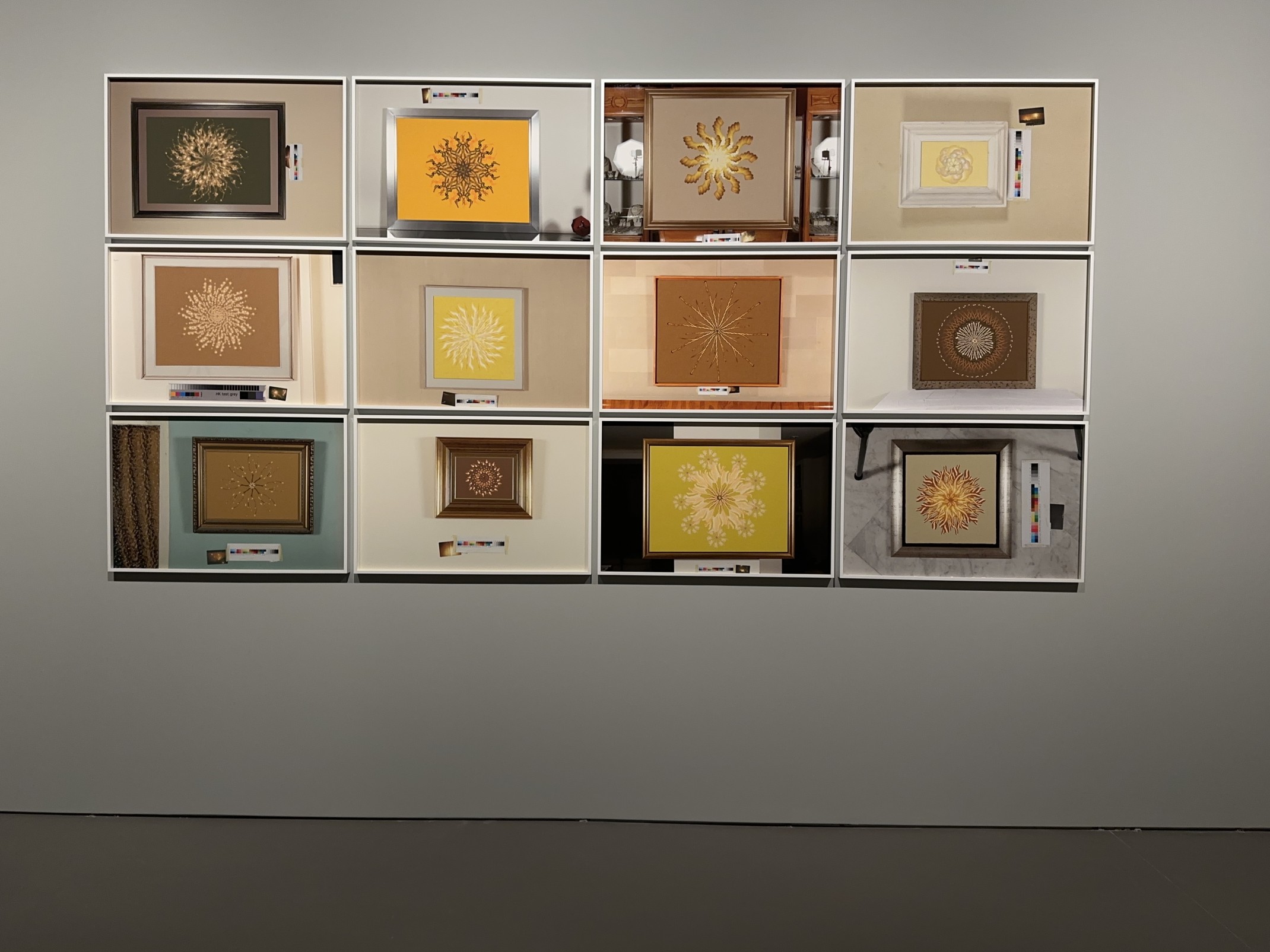
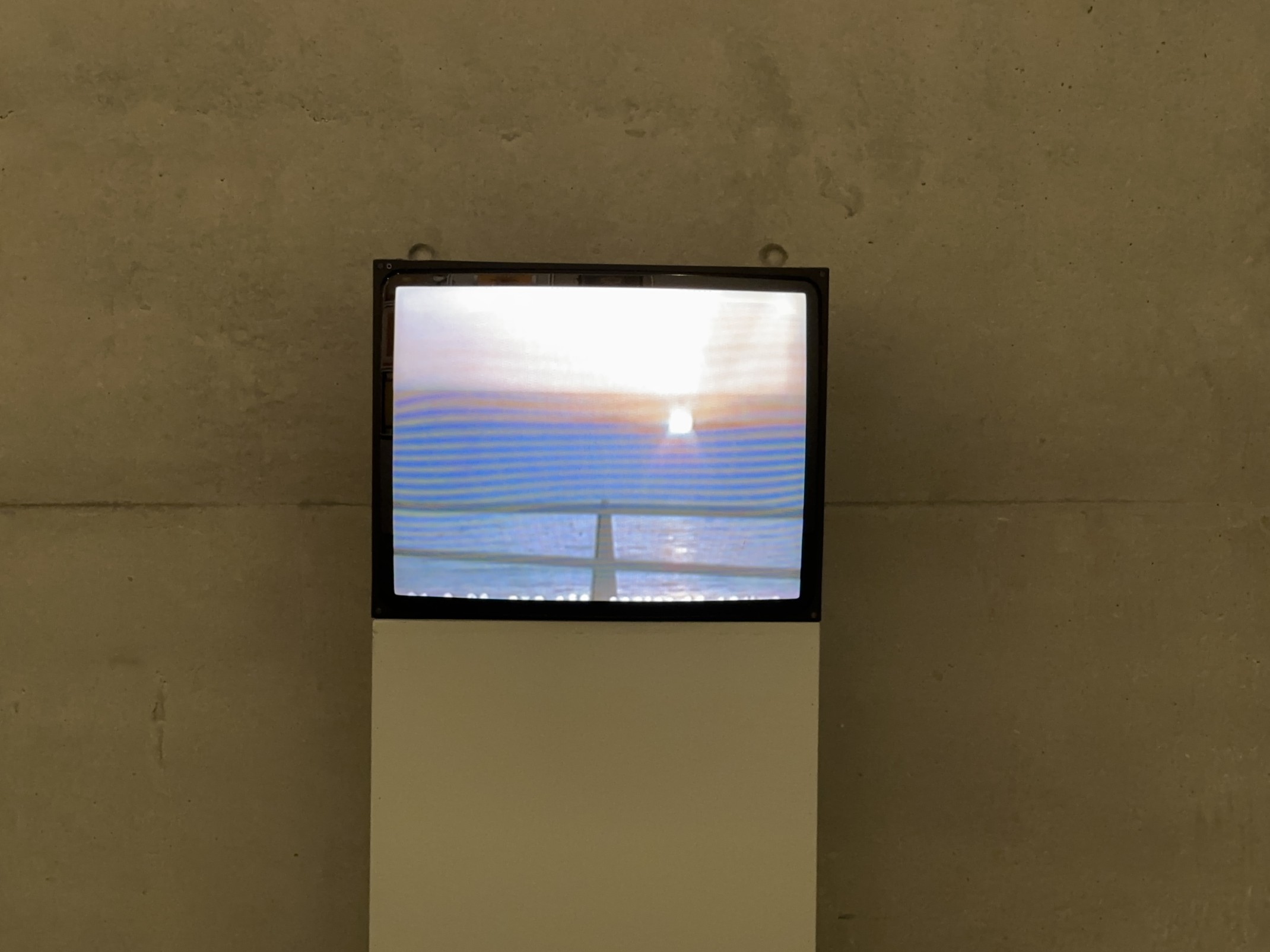
The Stammering Circle encompasses the visual, the auditory, the performative, and the dialogic. The project embraces testimony, historical material, archival documentation, and myriad discussions that acknowledge the lived experience of war as posited within art production. It proceeds with Celan’s suggestions—in constellations of fadensonnen or “threadsuns” as his proposal to measure the world out in new ways—into elongated lines of light that radiate unto a multiplicity of centers. Amid this “swimming sun,” nature is addressed as political as the political is approached as natural, and wherein landscape abandons its aspiration as utopian or dystopic, and disperses instead into a new visual language with a new set of spatial and temporal relationships to shed light.
Marta Kuzma
Curator
Artistic Director & Chief Curator
Faktura 10
--
1/ Paul Celan, “Ashglory,” in Breathturn into Timestead: The Collected Later Poetry, trans. Pierre Joris (Farrar, Straus, and Giroux, 2014).
2/ Paul Celan, The Meridian: Final Version – Drafts –Materials (Stanford University Press, 2011), 5.
3/ Ibid., 7–8.
4/ Theodor W. Adorno, Aesthetic Theory, trans. Robert Hullot-Kentor (Minneapolis: University of Minnesota Press, 1997), 1.
--
The Stammering Circle is a project of Faktura 10, curated by Marta Kuzma, Chief Curator and Artistic Director. The foundational sites of The Stammering Circle exhibition are the Jam Factory Art Center, Dim42, and the Machine Hall of Lviv Polytechnic National University.
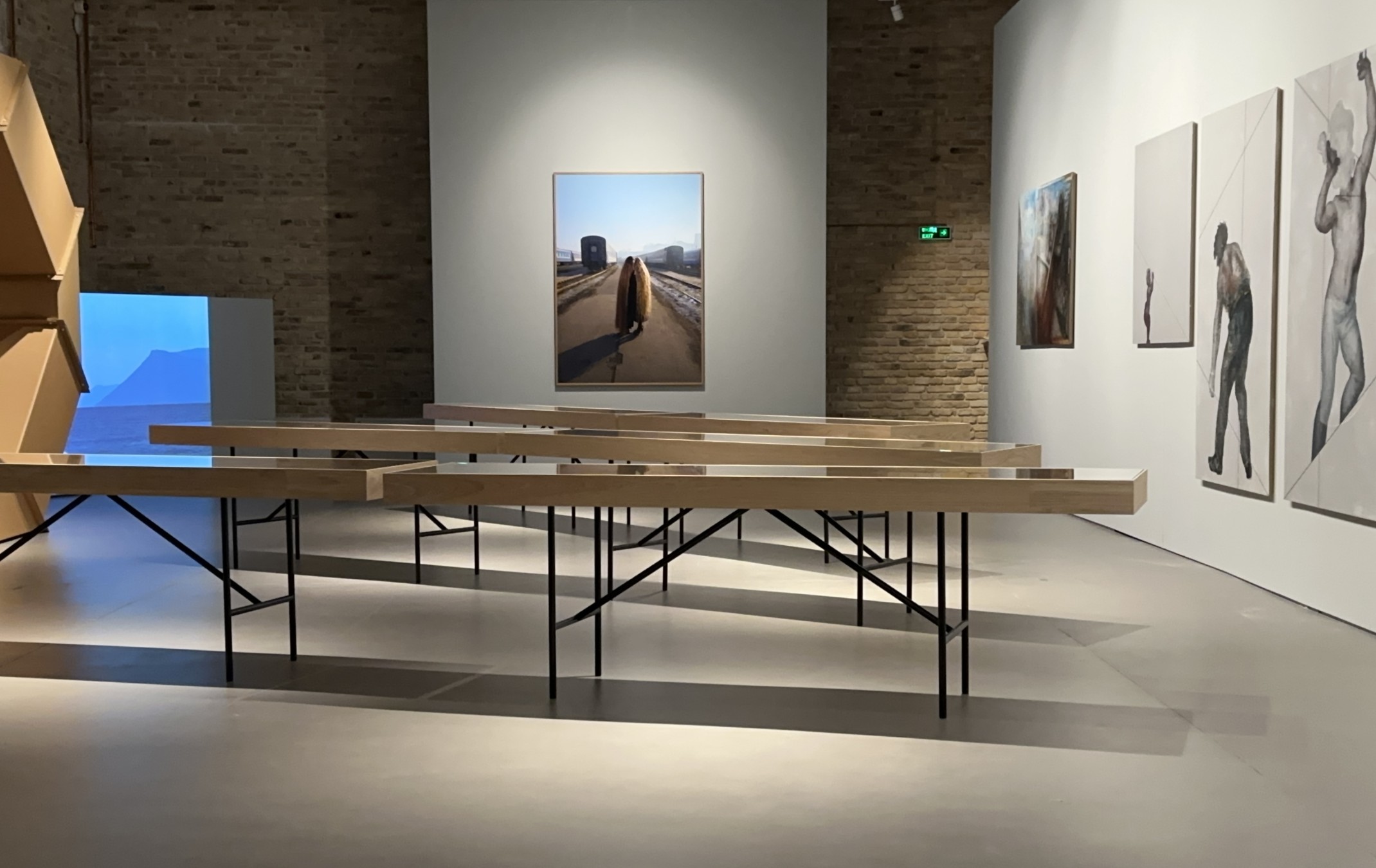
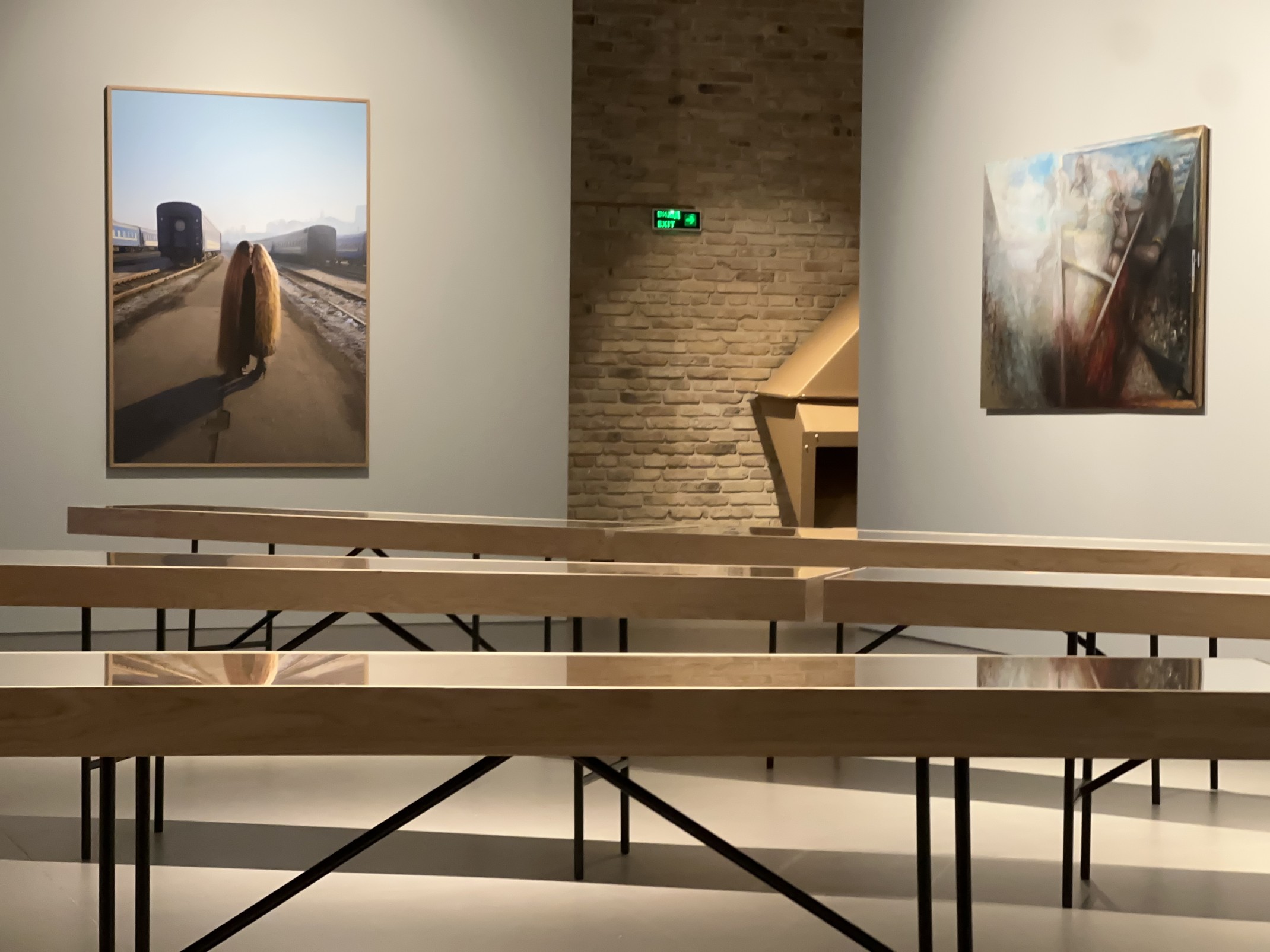
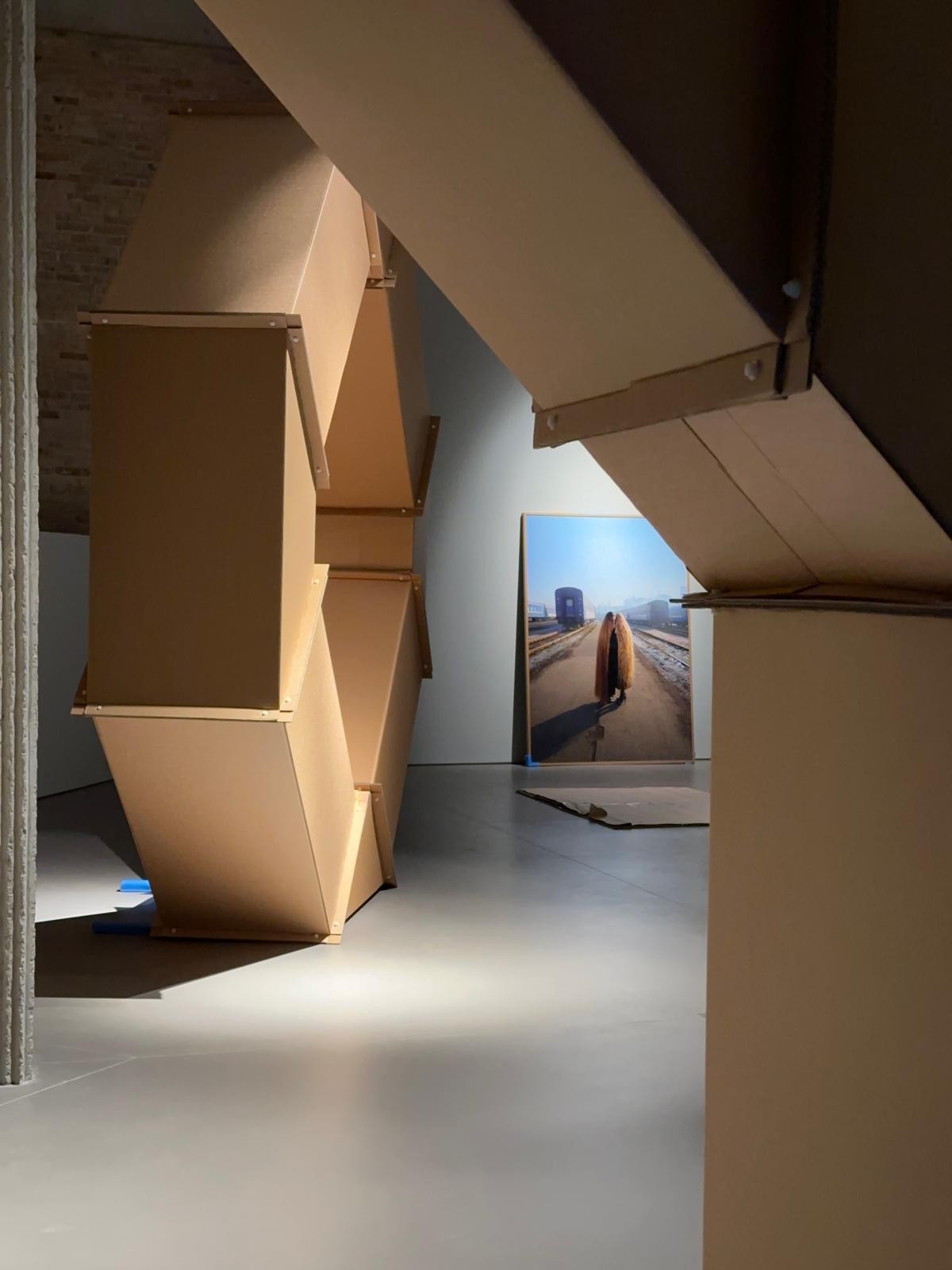
Митці
- Нобуйощі Аракі
- Ґреґорі Варшавчик
- Франсіско Гоя
- Мойра Дейві
- Тріша Донеллі
- Р. Г. Квейтмен
- Фредерік Кіслер
- Яна Кононова
- Катя Копєйкіна
- Анна-Марія Кучеренко
- Кларісе Ліспектор
- Борис Михайлов
- Ноель Нутелс
- Яніна Педан
- Джулі Полі
- Шарлотта Позененске
- Валід Раад
- Олексій Радинський
- Ярослав Солоп
- Гарун Фарокі
- Центр Просторових Технологій
Artists
- Nobuyoshi Araki
- Moyra Davey
- Trisha Donnelly
- Harun Farocki
- Francisco Goya
- Frederick Kiesler
- Katya Kopeikina
- Yana Kononova
- Anna-Mariia Kucherenko
- Clarice Lispector
- Boris Mikhailov
- Noel Nutels
- Janina Pedan
- Julie Poly
- Charlotte Posenenske
- R. H. Quaytman
- Walid Raad
- Oleksiy Radynski
- Yaroslav Solop
- Taras Spivak
- Gregori Warchavchik
- Center For Spatial Technologies